






Armistice Day & Remembrance Day: Honouring Those Who Served
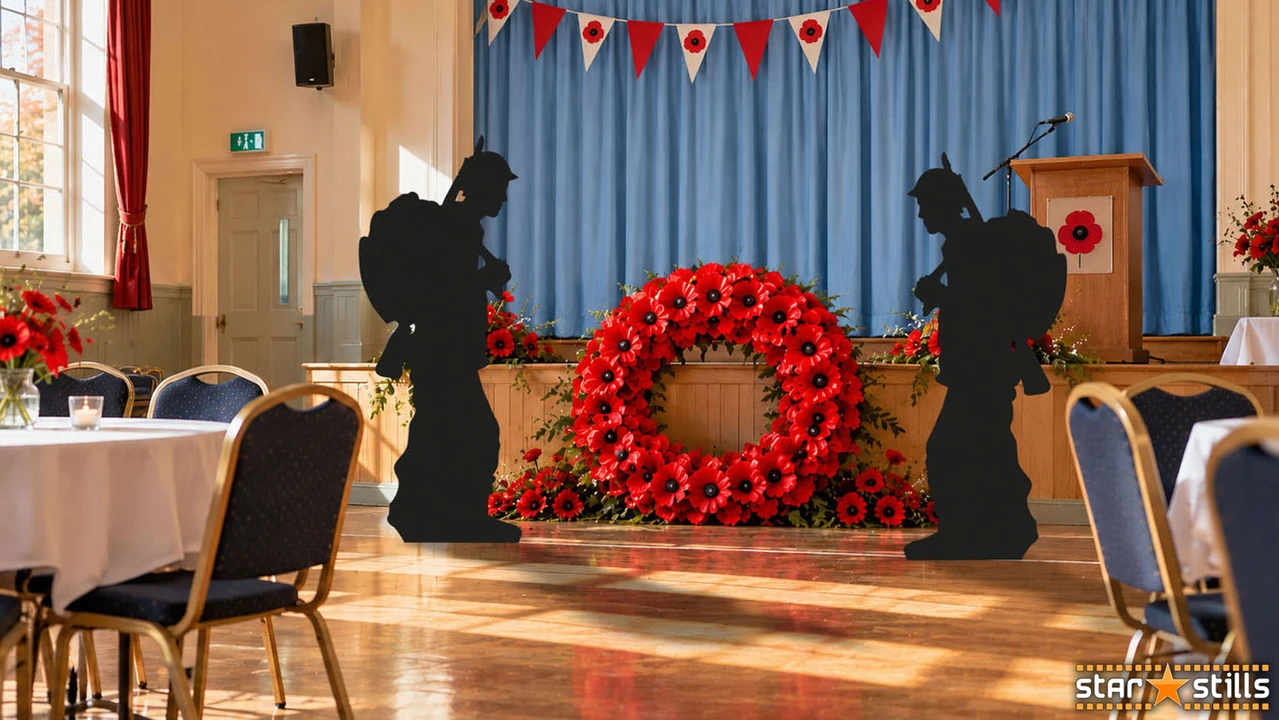
Remembering Together This Armistice Day
Every November, communities across the UK come together to honour the courage and sacrifice of those who served during times of war. Armistice Day and Remembrance Sunday offer an opportunity to pause, reflect and remember those who gave so much.
Whether you're planning a school assembly, community gathering or workplace tribute, creating a thoughtful display is a lovely way to mark these important occasions.
At Starstills, we've put together a collection of historical cardboard cutouts to complement remembrance displays and help bring history to life.
The Meaning Behind Armistice Day
Observed on 11th November, Armistice Day marks the end of fighting on the Western Front during the First World War in 1918. At 11am, people across the UK observe a two-minute silence in remembrance of those who lost their lives in conflict.
Remembrance Sunday, held on the second Sunday in November, brings communities together for services, parades and wreath-laying ceremonies.
The red poppy remains a powerful symbol of remembrance, representing those who served and sacrificed, and reminding us of the importance of peace.
Winston Churchill Cardboard Cutouts: A Piece of British History
Sir Winston Churchill remains one of Britain's most recognisable wartime figures, remembered for his leadership and determination during the Second World War.
Our collection includes four different Winston Churchill cardboard cutouts, ideal for historical exhibitions, school projects and commemorative displays.
Whether you're exploring Britain's wartime history or creating an educational display, these lifesize figures provide a recognisable connection to an important period in British history.
Wartime Soldier Silhouettes: A Thoughtful Tribute
Sometimes, a simple display can say so much.
Our wartime soldier silhouette cardboard cutouts offer an understated way to honour those who served. Their distinctive designs make them particularly suitable for Remembrance Day displays in schools, libraries, community halls and workplaces.
Positioned alongside red poppies, remembrance wreaths or historical photographs, they can create a respectful setting for reflection.
British, French and German Soldier Cardboard Cutouts
Remembrance extends beyond national boundaries, recognising the impact of war on people and communities across the world.
Our collection also includes British, French and German soldier cardboard cutouts, providing an opportunity to explore wartime history from different perspectives.
These historical figures can be incorporated into educational displays examining military uniforms, wartime conditions and the experiences of soldiers from different countries.

Creating Meaningful Remembrance Day Displays
Whether you're decorating a school hall, organising a community event or preparing a shop window, a few thoughtful touches can create a welcoming space for remembrance.
Combine our wartime cardboard cutouts with poppy wreaths, historical photographs, remembrance poems or handmade decorations to create a display that honours the occasion.
For schools, these displays can also encourage younger generations to learn about the past and understand the importance of remembrance.
Historical cardboard cutouts can be incorporated into these activities as visual teaching aids.
For example, a display featuring Winston Churchill alongside wartime photographs could introduce discussions about Britain during the Second World War.
Alternatively, soldier silhouette cutouts surrounded by handmade paper poppies could form the centrepiece of a school remembrance project.
Pupils might also contribute poems, artwork, letters or messages of reflection.
By combining visual displays with age-appropriate historical information, schools can create opportunities for thoughtful learning and respectful remembrance.
Bringing Communities Together Through Remembrance
Across the UK, community halls, libraries, local organisations and village centres host events to commemorate Armistice Day and Remembrance Sunday.
These gatherings bring people of different ages and backgrounds together to reflect on shared history.
A thoughtfully arranged display can help establish a welcoming and respectful atmosphere.
Our wartime cardboard cutouts can be used alongside poppy arrangements, local historical photographs, remembrance books and information about those who served.
Community organisers might also invite residents to contribute family stories, photographs or memories connected to wartime experiences.
These personal connections can make remembrance particularly meaningful, helping preserve stories that might otherwise be forgotten.
Even a modest display can provide an opportunity for visitors to stop, reflect and share memories with others.
Remembrance Day Displays for Shops and Workplaces
Businesses can also acknowledge Remembrance Day through simple, respectful displays.
A shop window featuring red poppies, a soldier silhouette and a short remembrance message can offer a quiet tribute without becoming overly elaborate.
Similarly, workplaces may choose to create a small commemorative area in a reception, staff room or communal space.
Historical cardboard cutouts can complement these arrangements, particularly when accompanied by appropriate information or remembrance symbols.
The emphasis should always remain on the significance of the occasion rather than promotion.
Keeping displays tasteful, uncluttered and considerate ensures that the message of remembrance remains at the forefront.
Lest We Forget
Armistice Day and Remembrance Sunday remind us of the importance of coming together, sharing stories and remembering those who served.
At Starstills, our collection of Remembrance Day themed cardboard cutouts offers a thoughtful addition to commemorative and educational displays.
This November, let's take a moment to reflect, remember and honour the sacrifices made by generations before us.
Explore Popular Articles

Pop Star Cardboard Cutouts: Bring Music Legends to Your Next Party or Event!
Bring the Magic of Pop Music to Life! Music has a wonderful way of bringing people together. Whether...
Armistice Day & Remembrance Day: Honouring Those Who Served
Remembering Together This Armistice Day Every November, communities across the UK come together to...
Alice's Wonderland Cardboard Cutouts - NEW & Exclusive to Starstills | Meet the Characters
Step Into Wonderland! Discover Our NEW & Exclusive Alice's Wonderland Cardboard Cutouts at Starstill...